
ARE ALUMINUM WINDOWS ENERGY EFFICIENT? Glass Options That Improve Efficiency
For decades, the architectural world viewed aluminum as the "strong but cold" choice. While prized for its durability and slim profiles, it was often criticized for its high thermal conductivity. However, thanks to revolutionary advancements in manufacturing, that trade-off no longer exists.
Modern aluminum windows are now designed to meet and exceed the strictest energy codes, making them a premier choice for eco-conscious homeowners and developers alike.
The Secret Ingredient: Thermal Breaks
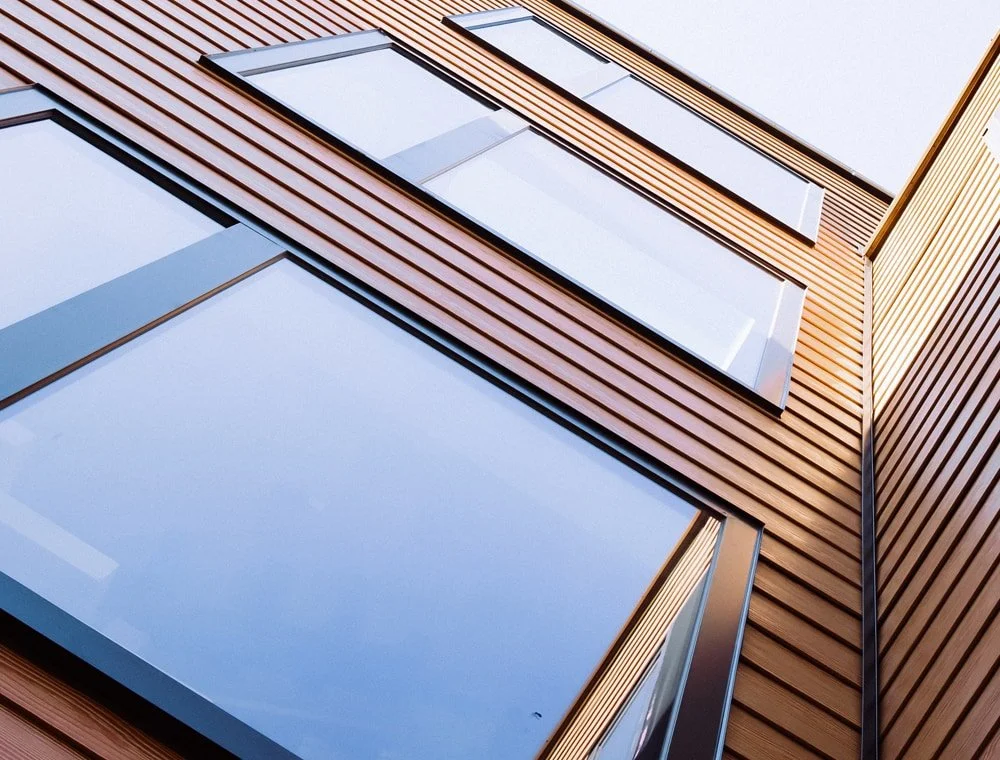
Aluminum windows custom designed and manufactured by Vetrina Windows for a private residence in Philadelphia, PA
The primary reason modern aluminum windows are energy efficient is the integration of thermal breaks. Because aluminum is a natural conductor of heat, engineers insert a non-conductive material – typically a polyamide strip or reinforced nylon – between the interior and exterior sections of the window frame.
This "break" acts as a barrier, preventing heat from escaping your home in the winter and blocking solar heat from entering during the summer. This technology allows you to enjoy the sleek, industrial aesthetic of aluminum without the high energy bills.
Glass Options That Improve Efficiency
While the frame is the backbone of the window, the glass (or glazing) accounts for the largest surface area. To maximize efficiency, you must look beyond standard single-pane glass.
1. Low-E (Low-Emissivity) Coatings
Low-E glass is treated with a microscopic, transparent layer of metal oxide. This coating is "smart" – it reflects long-wave infrared energy (heat) while allowing short-wave visible light to pass through. In the winter, it reflects your home's heat back inside; in the summer, it bounces the sun's scorching heat back outside.
2. Double and Triple Glazing
The space between panes of glass acts as a powerful insulator. By filling these gaps with Argon or Krypton gas, which are denser than air, manufacturers can significantly slow down the transfer of heat. Triple glazing is becoming increasingly popular in colder climates for its superior "U-factor" performance.
3. Warm Edge Spacers
Standard windows use metal spacers to hold panes of glass apart. Modern energy-efficient aluminum windows use "warm edge" spacers made of low-conductivity materials. This prevents condensation at the edges of the glass and keeps the interior pane warmer to the touch.
Understanding the Specs: U-Factor and SHGC
When browsing for windows, you will encounter two critical metrics often highlighted by the U.S. Department of Energy:
U-Factor
This measures the rate of heat loss. The lower the number, the better the window is at keeping heat inside. Modern aluminum systems often achieve U-factors that rival or beat wood and vinyl.SHGC (Solar Heat Gain Coefficient)
This measures how much solar radiation passes through the window. In warmer climates, a lower SHGC is preferred to keep cooling costs down.By looking for the Energy Star label, you can ensure that the window has been independently tested to meet specific climate zone requirements.

Aluminum Tilt & Turn windows manufactured for The Irvine Apartments by Vetrina Windows
Why Choose Aluminum Over Other Materials?
Beyond just energy efficiency, aluminum offers unique benefits that contribute to the long-term sustainability of a building:
Recyclability: Aluminum is 100% recyclable. Much of the aluminum used in construction today is made from recycled content, requiring 95% less energy to produce than primary aluminum.
Longevity: Unlike wood, which can rot, or vinyl, which can warp under extreme heat, aluminum is dimensionally stable. An energy-efficient window is only efficient if it stays sealed; aluminum’s resistance to expansion and contraction ensures a tight seal for decades.
Larger Glass Ratios: Because aluminum is so strong, it can support larger panes of glass with thinner frames. This allows for more natural "passive solar heating" in the winter, reducing the need for artificial light and heat.
A Smart Investment for the Modern Home
The question is no longer if aluminum windows are energy efficient, but rather how efficient you want them to be. By combining thermally broken frames with high-performance Low-E glazing, you get the best of both worlds: the unmatched durability of metal and the thermal comfort of a high-performance envelope.
Investing in high-quality aluminum windows isn't just an aesthetic choice – it's a commitment to a lower carbon footprint and a more comfortable living space.
A more detailed quote request form can be found here.