
Tilt and turn windows offer two ways to ventilate a room: the top tilts inward for controlled airflow, or the sash swings inward from the side for a wider opening. They’re popular for their flexibility and clean appearance, but that inward swing raises practical questions that are easy to overlook until after installation.
Can you use insect screens? What happens to the blinds? Will the sash clear a kitchen faucet or a nightstand? Here’s what to consider before ordering.
How do tilt and turn windows work?
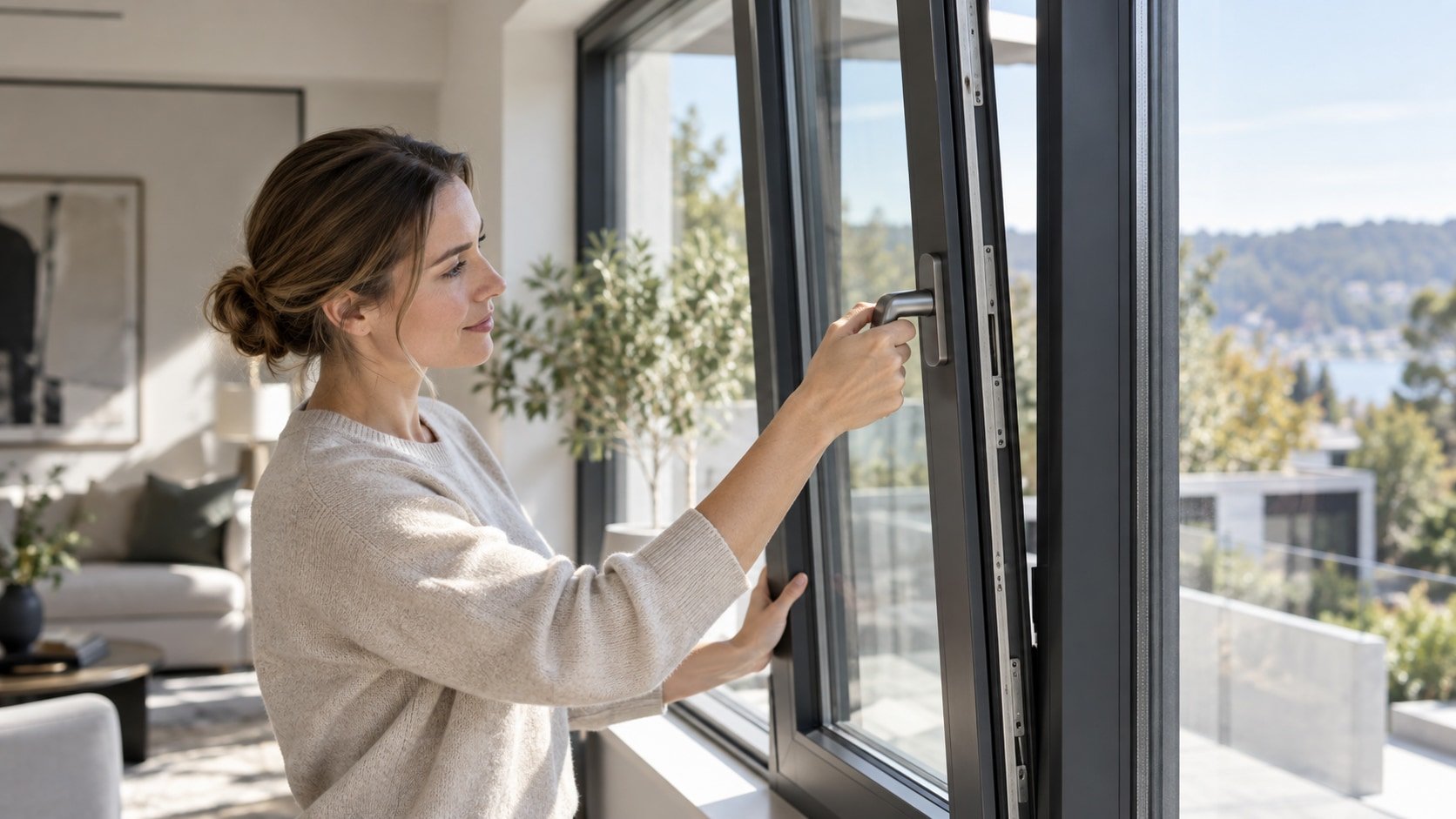
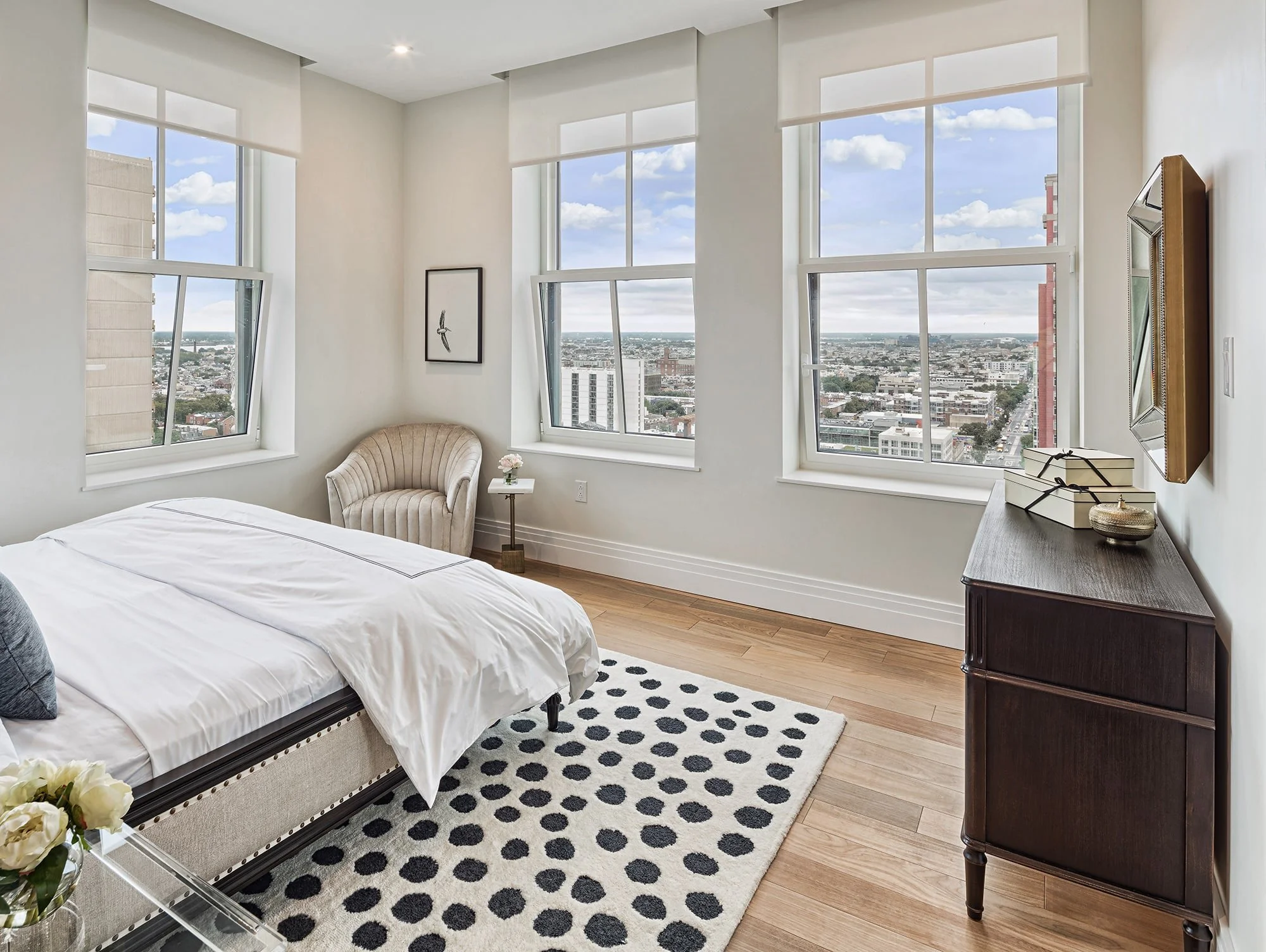
One handle controls the sash. In the tilt position, the top opens inward while the bottom remains hinged. In the turn position, the sash swings into the room like a door. Handle positions and optional ventilation settings vary by hardware, so ask your supplier to demonstrate the specific system.
The tilt position provides a smaller opening for everyday ventilation. The turn position allows more airflow and makes the outside of the glass easier to reach from indoors. Close the sash fully before changing handle positions, following the manufacturer’s instructions.
Can tilt and turn windows have screens?
Yes. Because the sash opens inward, an insect screen is generally installed on the exterior side. Depending on the window and opening, options may include fixed, removable, retractable, or other compatible screens. Screen availability, mounting space, and access for cleaning depend on the system and installation.
Plan for screens when you order. Retrofitting may be possible, but exterior trim, masonry, shutters, and the depth of the frame can limit the choices. Ask for the screen type, mesh, attachment method, and whether it can be removed or serviced from inside.
For an example, see the Vienna, Virginia window replacement, where operable tilt and turn windows were prepared for screens.
Can you use blinds or curtains?
Yes, but their placement matters. A blind mounted inside the window opening can obstruct the sash, especially in the turn position. Depending on the room and window, you may be able to mount a shade above or outside the opening, use curtains that draw clear of the sash, or choose a compatible sash-mounted covering.
Before purchasing, check clearance in both opening positions, including the handle. Ask the window and shade suppliers about mounting methods; drilling into a frame or sash without approval can damage the unit or affect its warranty.
Where does the inward swing matter most?
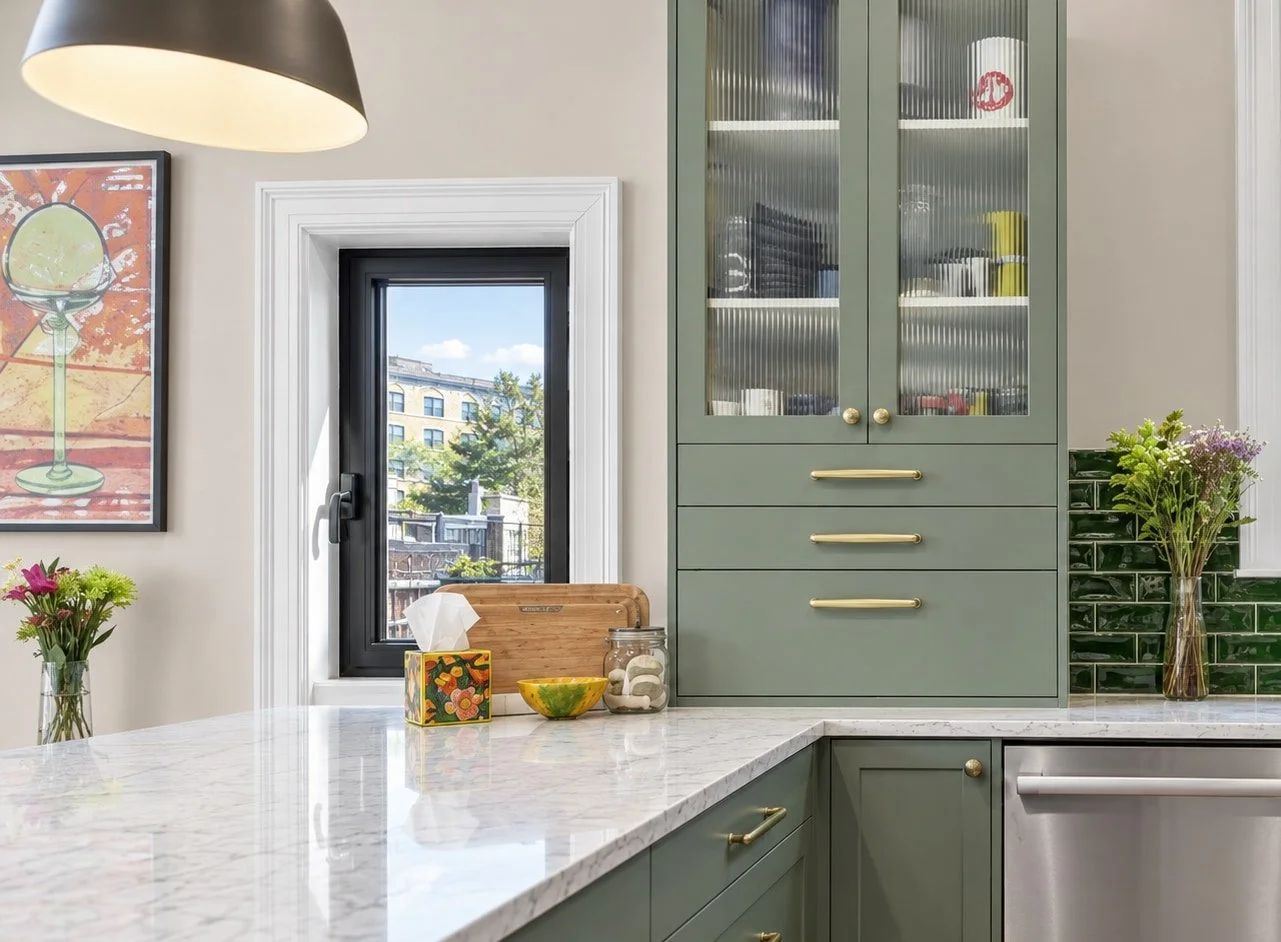
Measure the space the sash needs to swing, not just the opening in the wall. Furniture, lamps, countertops, faucets, deep window sills, and nearby doors can all interfere. A bedroom nightstand might be fine for tilt ventilation but prevent the sash from opening fully.
Over a kitchen sink, check the faucet and counter depth carefully. In a narrow room or walkway, consider whether an outward-opening casement, a sliding window, or a fixed window paired with a smaller operable sash would work better. The best solution can differ from room to room.
Are tilt and turn windows secure and suitable for bedrooms?
Many tilt and turn systems use multipoint locking and compression seals when closed and locked. Security and air leakage depend on the complete window, hardware, installation, and available test ratings. A window in the tilt position is still open; don’t treat it as locked or as a substitute for a security system.
An operable window may also serve as an emergency escape opening if its clear opening, sill height, operation, and installation meet the local code. Don’t assume a particular unit qualifies based on its overall frame size. Have your designer or building official confirm the requirements for the specific room and window.
For homes with children or pets, discuss appropriate guards, restrictors, and local safety requirements. Insect screens are not designed to prevent falls, and any safety device used on an emergency escape opening must allow the required escape operation.
What about energy efficiency and noise?
Look at the performance of the whole assembly rather than relying on the opening style alone. Frame construction, glazing, seals, size, and installation all matter. For aluminum windows, a thermal break reduces heat transfer through the frame. Insulated glass and Low-E coatings can also affect thermal performance.
Compare whole-window U-factor and solar heat gain coefficient for your climate, and ask for verified air, water, and structural ratings where available. For noise concerns, ask about a tested acoustic rating for the complete configuration; thicker or laminated glass may help, but results depend on the assembly and surrounding construction.
What should you ask before ordering?
Which openings need screens, and how will they be installed and serviced?
Will the sash and handle clear furniture, faucets, blinds, and trim?
What are the actual clear opening dimensions in the turn position?
Which glazing, thermal, weather, and acoustic ratings apply to the quoted configuration?
Who will measure and install the windows, and what is included in the quote?
Vetrina’s Ardmore Series aluminum windows and Delran Series aluminum windows can be configured for residential projects. Explore our tilt and turn windows or request a quote with your approximate opening sizes, location, and screen preferences. We’ll help you review the options for your project.